
Proactive strategies to help slow the progression of myopia and provide clear daytime vision without glasses
Proactive myopia control to slow progression & support clear daytime vision without glasses.
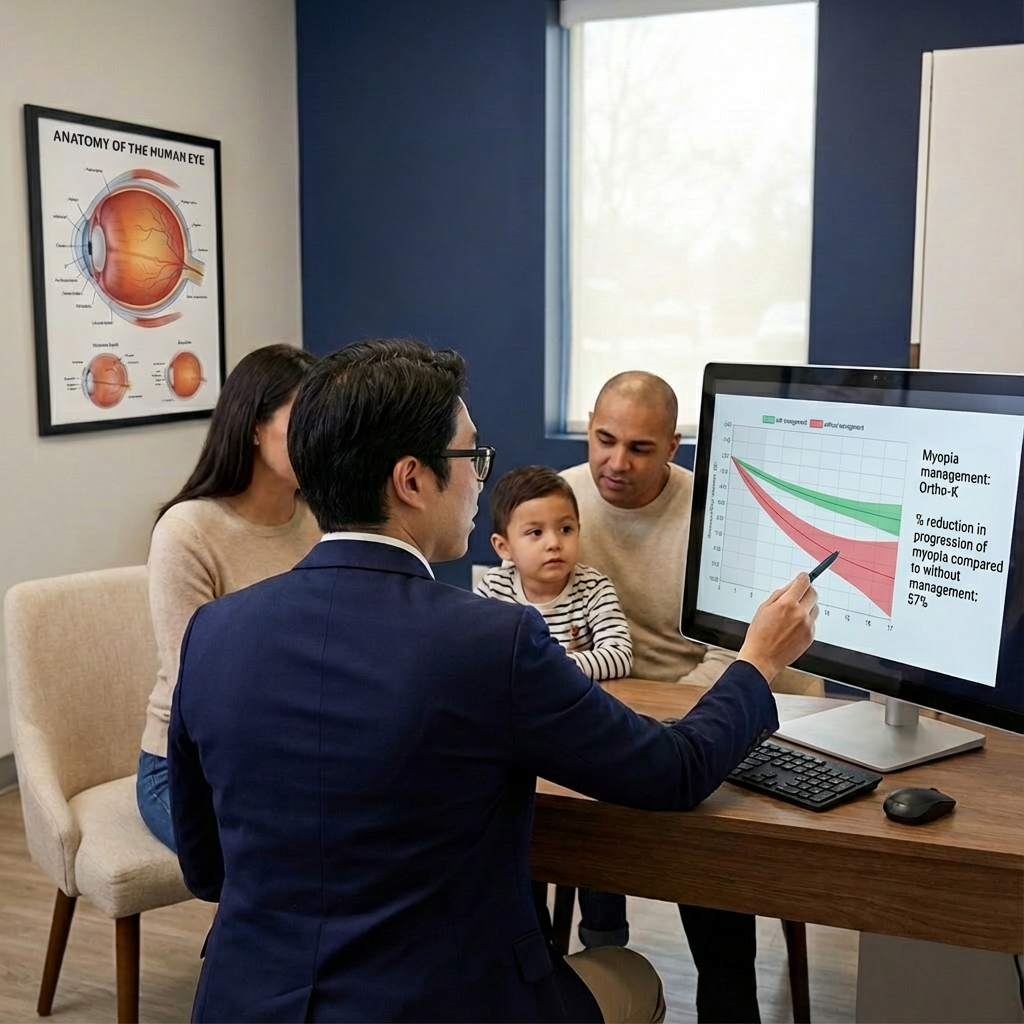
Slowing the progression
Myopia (short-sightedness) is on the rise, especially in children. Higher levels of myopia carry greater long-term eye health risks.
Instead of just prescribing stronger glasses each year, we use management strategies aimed at slowing the rate of change, including orthokeratology (Ortho-K).
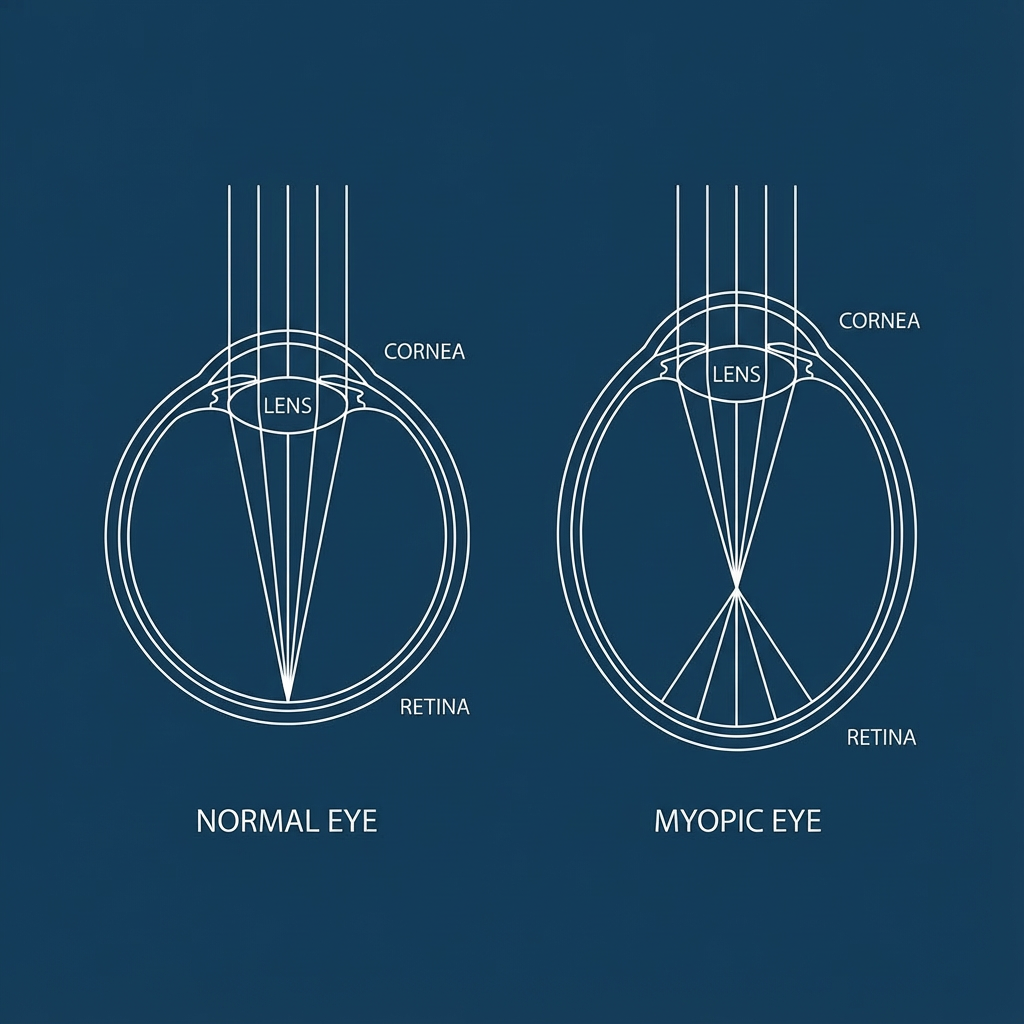
Understanding Myopia in children
Myopia (short-sightedness) means distance vision is blurry while close-up is clear. It happens when the eye grows too long, so light focuses in front of the retina. It often starts in childhood and can worsen through the teen years.
Higher myopia increases the risk of eye problems later in life, so slowing progression is important. Genetics and lifestyle (more close-up work, less outdoor time) can play a role, and proven myopia management options can help slow it down.
What is Ortho-k?
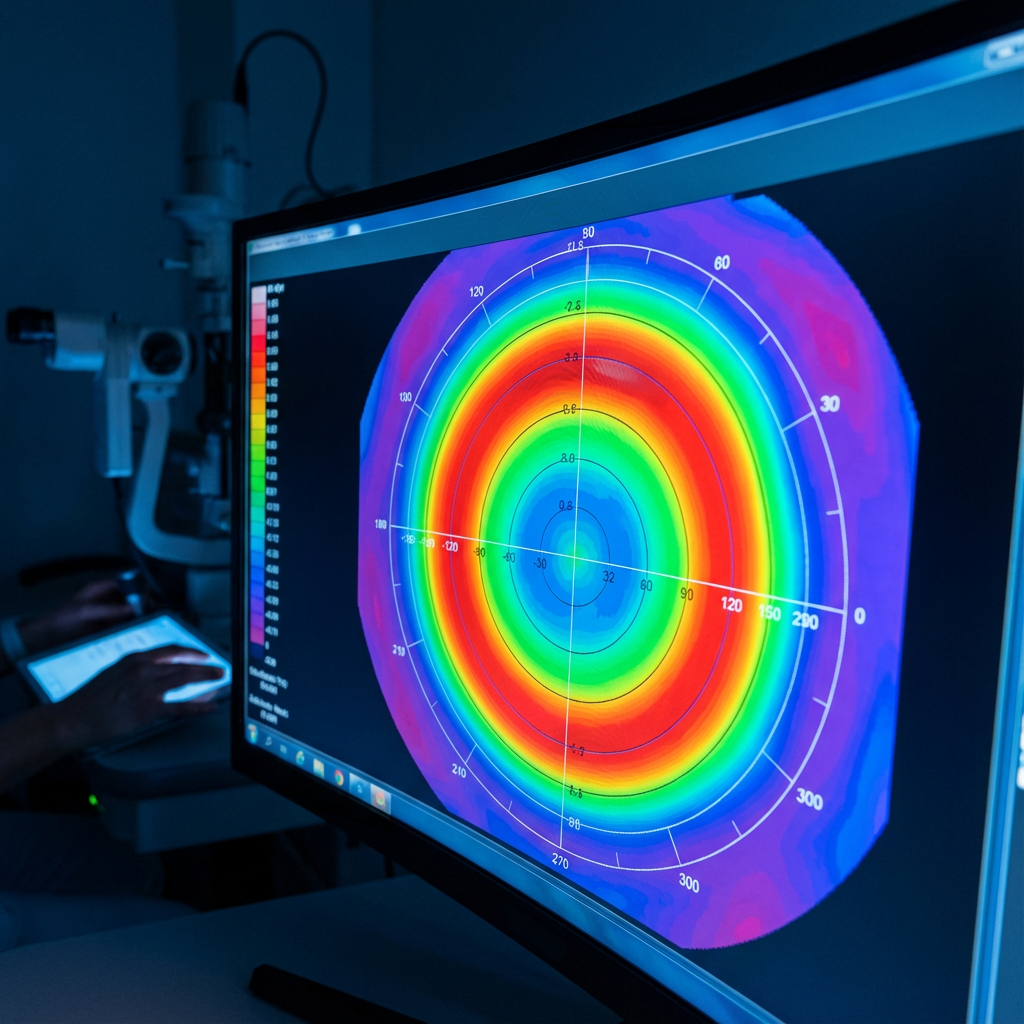
Ortho-K does more than provide clear daytime vision, it can also help slow myopia progression in children.
Studies show Ortho-K can reduce myopia-related eye growth (axial length) by around 30–60% compared with standard single-vision correction over 1–2 years.
It’s thought to work by changing how light focuses on the peripheral retina (known as peripheral myopic defocus), although the exact mechanism is still being studied.
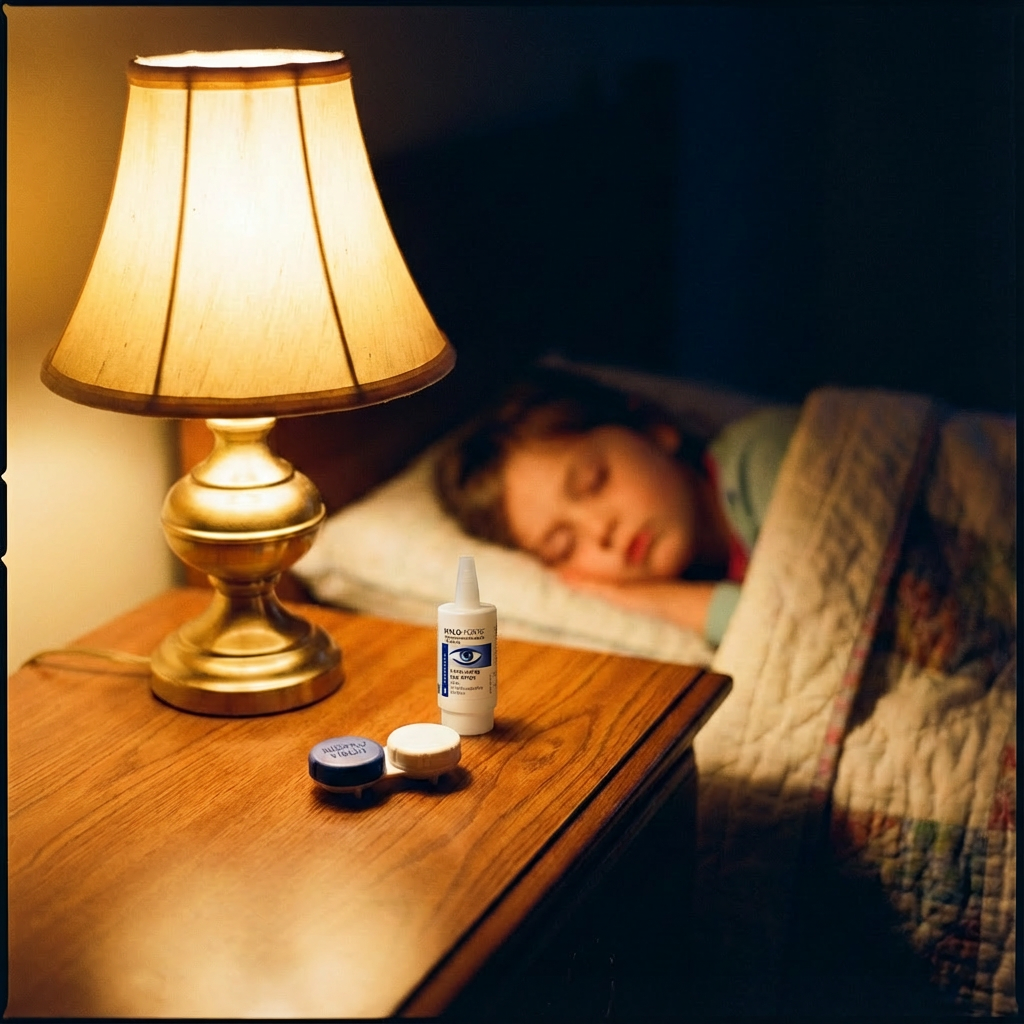
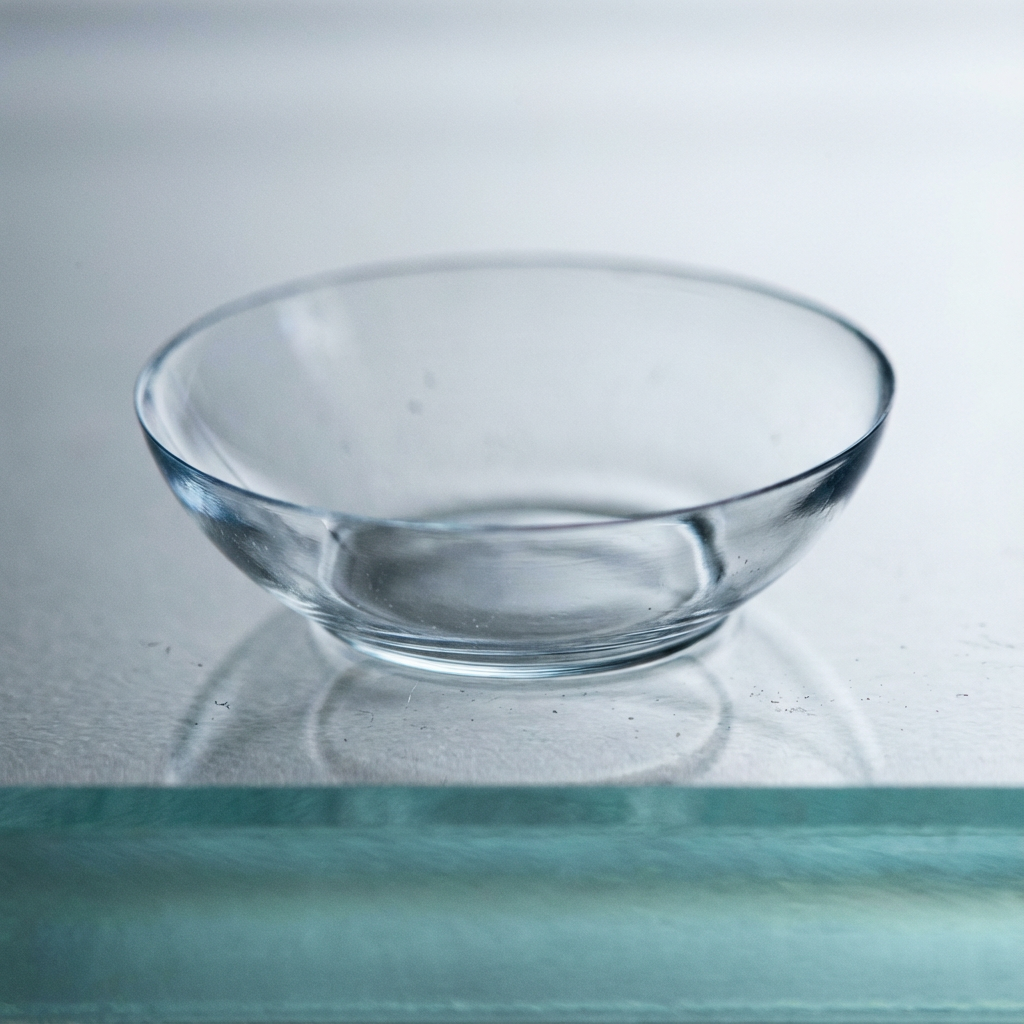
Orthokeratology, or Ortho-K, is a treatment that uses custom-designed rigid contact lenses worn overnight to gently reshape the cornea (the front surface of the eye). Think of it like orthodontic braces for the eyes, but non-invasive and reversible. By sleeping in Ortho-K lenses, the cornea is temporarily flattened in a precise way that corrects your vision. In the morning, you remove the lenses and you can see clearly all day without glasses or contacts.
Orthokeratology (Ortho-K) uses custom rigid lenses worn overnight to gently reshape the cornea.
By morning, you remove the lenses and enjoy clear vision all day without glasses or daytime contacts.
It’s non-surgical, reversible, and works like a gentle “retainer” for your eyes.
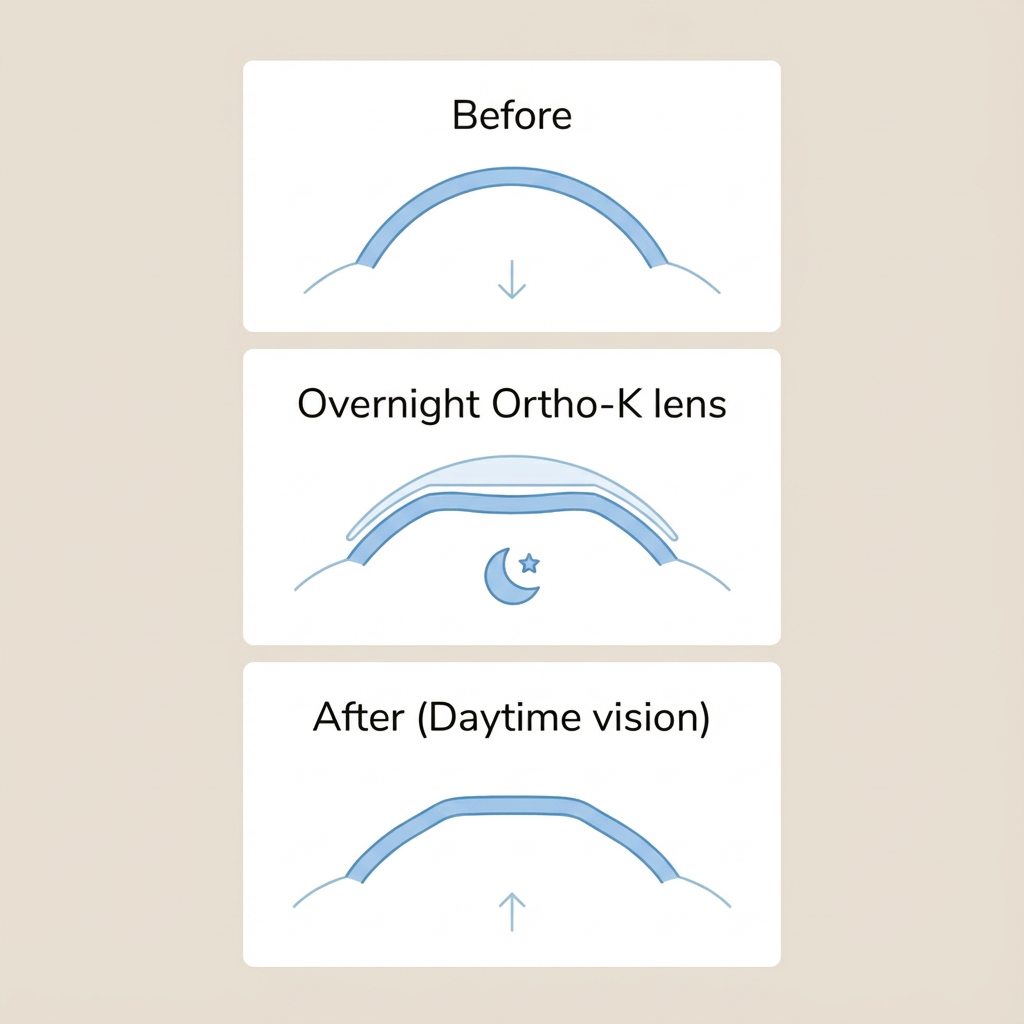
Ortho-K can do more than provide clear daytime vision, it’s also an evidence-based way to help slow myopia progression in children. Studies and major reviews show slower eye growth (axial length) in children wearing Ortho-K compared with standard single vision glasses, often around 50% less progression over 2 years on average.
It’s thought to work partly by changing how light focuses in the peripheral retina (creating “peripheral myopic defocus”), although the exact mechanism is still being researched.
Myopia control is more than just glasses. Depending on your child’s age, prescription, eye health and lifestyle, we may recommend one or a combination of:
Orthokeratology (Ortho-K)
Our primary option for suitable candidates: clear vision during the day and evidence-based myopia slowing
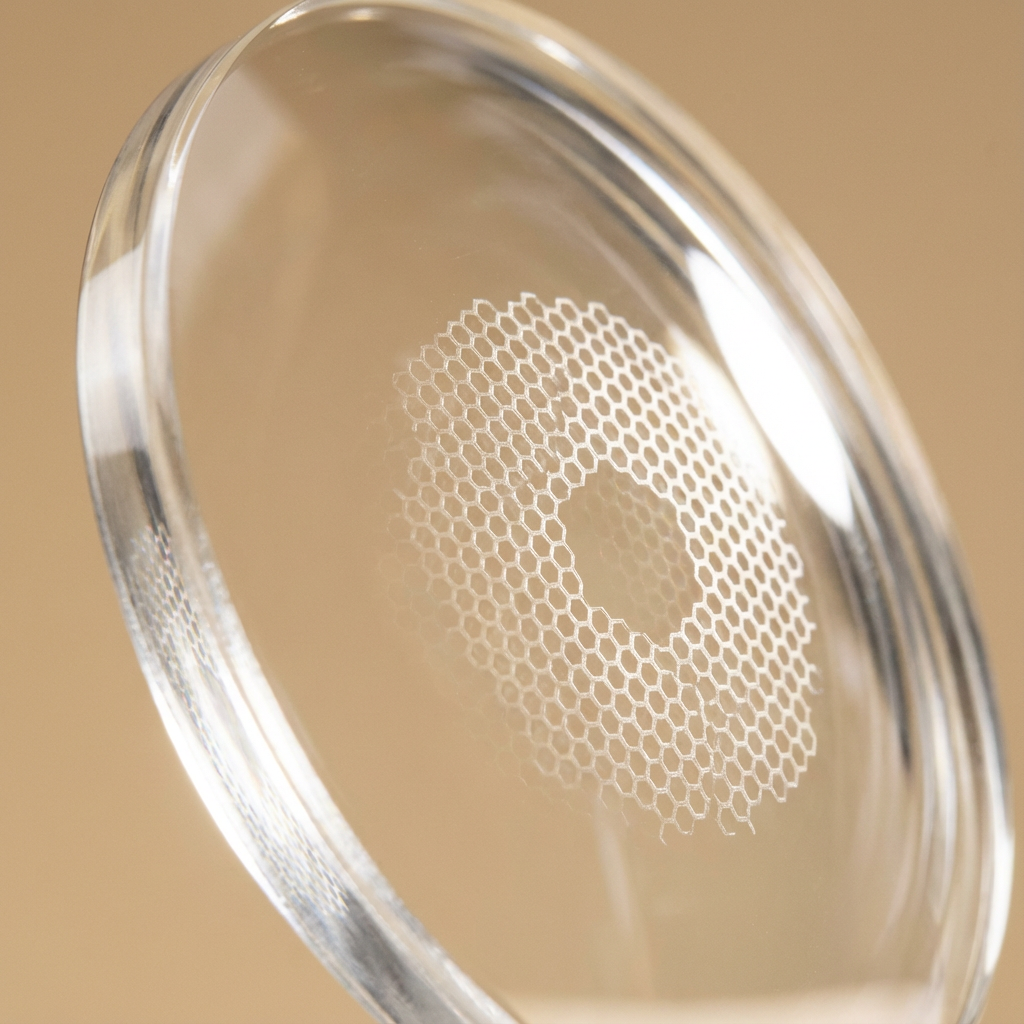
Myopia-control spectacle lenses
Specialised “lenslet/defocus” designs that look like normal glasses and have clinical evidence for slowing prescription change and eye growth.

Lifestyle advice
More outdoor time (often aiming around 2 hours/day) and balanced near work can reduce myopia risk and support long term eye health.
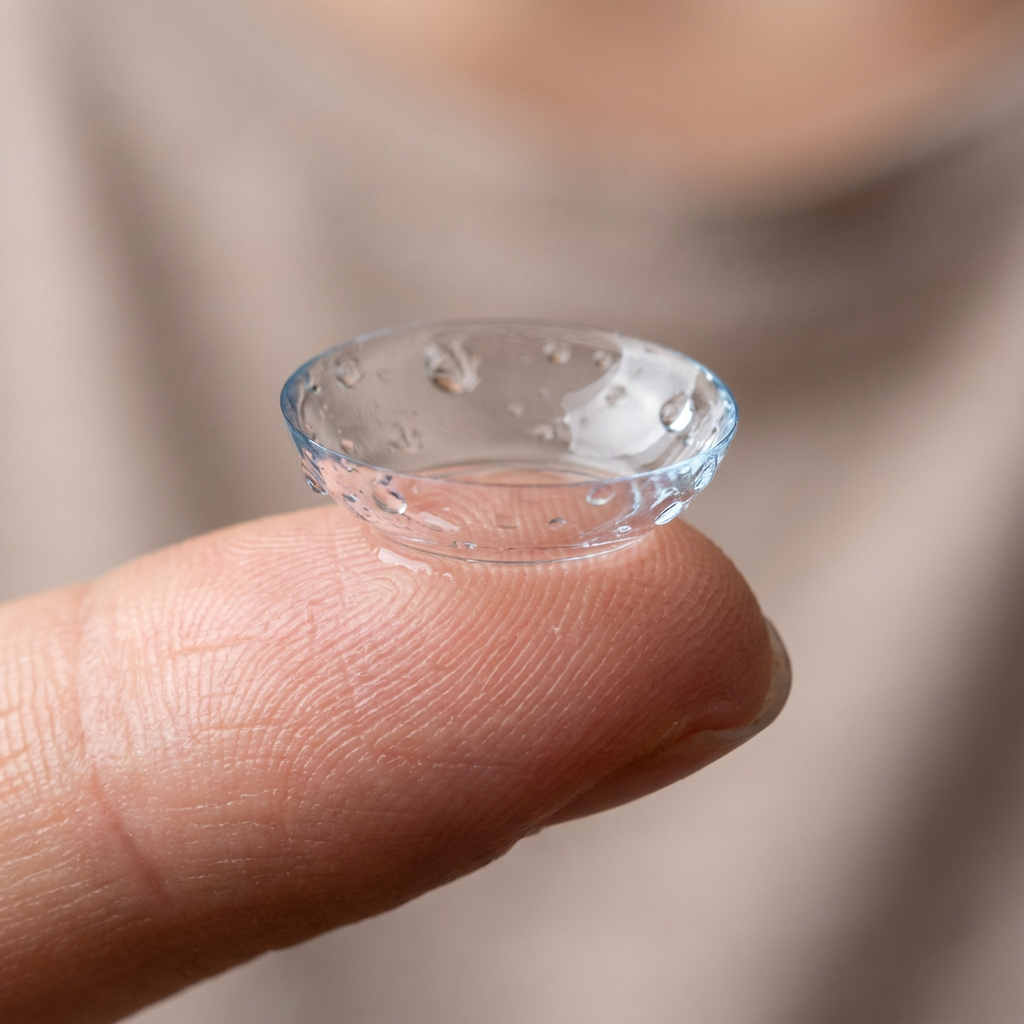

Myopia-control soft contact lenses (daytime)
Special optical designs (e.g., dual-focus) shown to slow progression for many children who prefer daytime contacts.
Low-dose atropine eye drops (nightly)
Typically 0.01%–0.05% to help slow eye growth.
0.01-0.05% atropine (EIKANCE) is TGA registered for slowing myopia progression, and other concentrations may be prescribed as compounded preparations when appropriate.
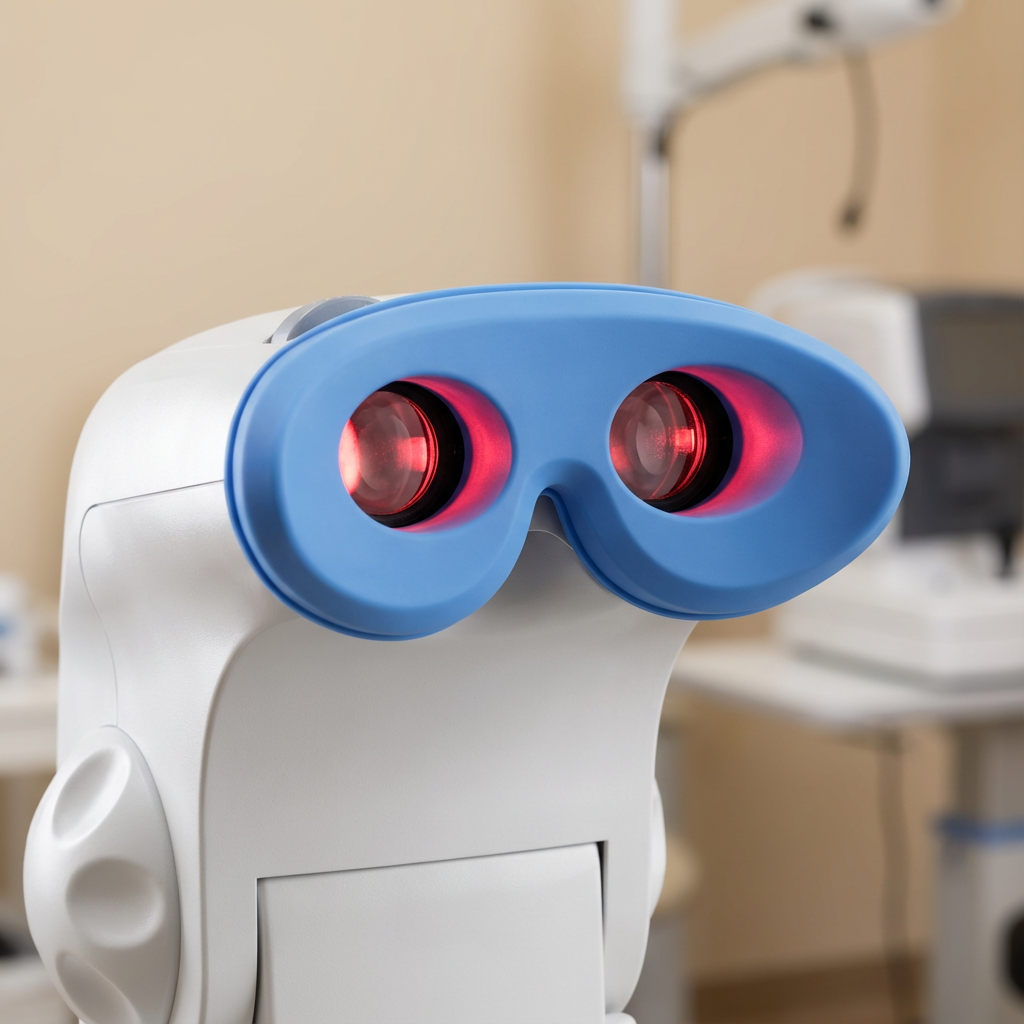
Repeated low-level red-light therapy (RLRL)
An emerging device based option (some devices are TGA listed) that may slow eye elongation; we’ll discuss suitability and the importance of monitoring as the evidence base continues to evolve
Every child’s situation is unique
We’ll explain the pros/cons of each option and may combine treatments when it’s likely to improve outcomes while keeping safety first.
Frequently Asked Questions
-
Yes. With strict hygiene and parental supervision, studies show it is safe. We provide extensive training on insertion, removal, and cleaning.
-
Lenses may cause mild awareness initially, but as they are worn during sleep with eyes closed, most patients find them comfortable.
-
Yes. Adults (e.g., swimmers, active professionals) often use Ortho-K for the freedom of having clear daytime vision without glasses.