
Why Choose Rigid Lenses?
Soft contact lenses drape over the cornea, often mimicking its shape. If your cornea is irregular due to keratoconus or surgery, a soft lens just transfers that irregularity, resulting in distorted vision.
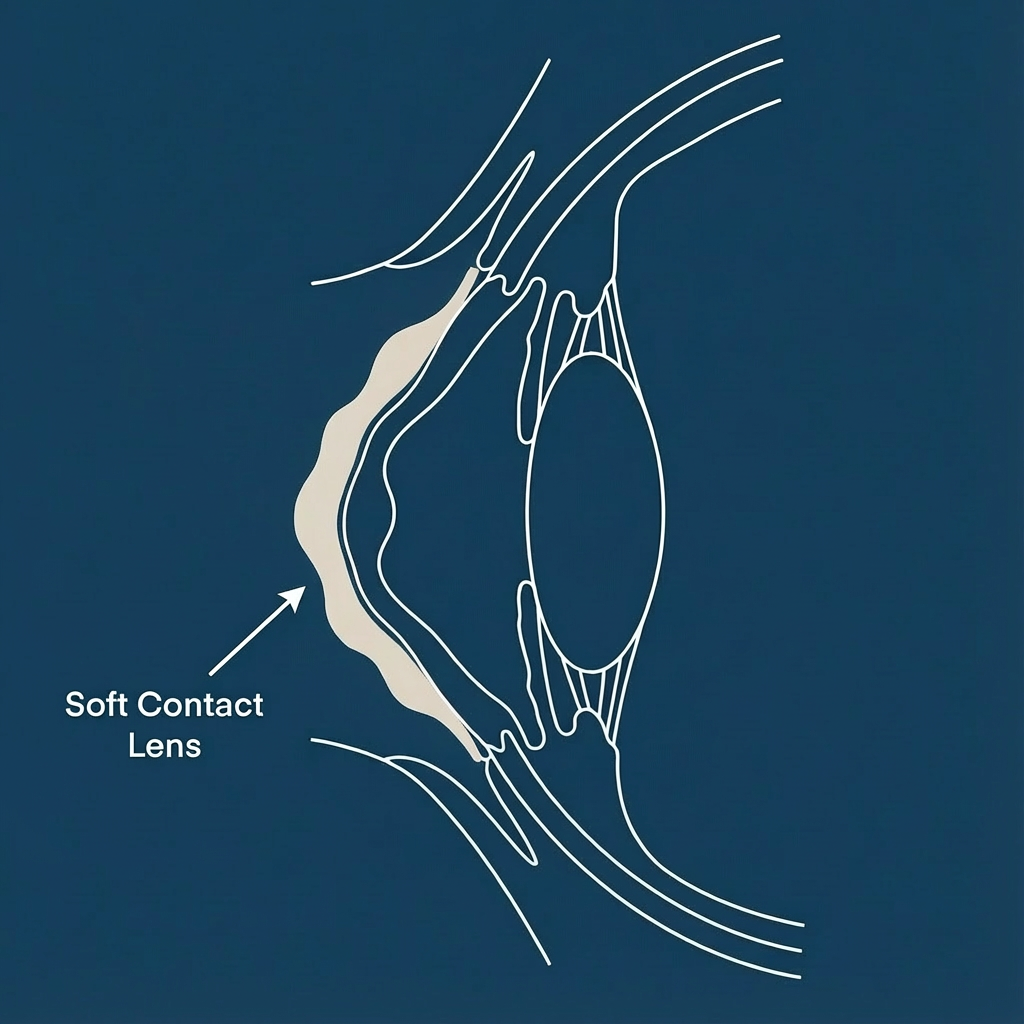
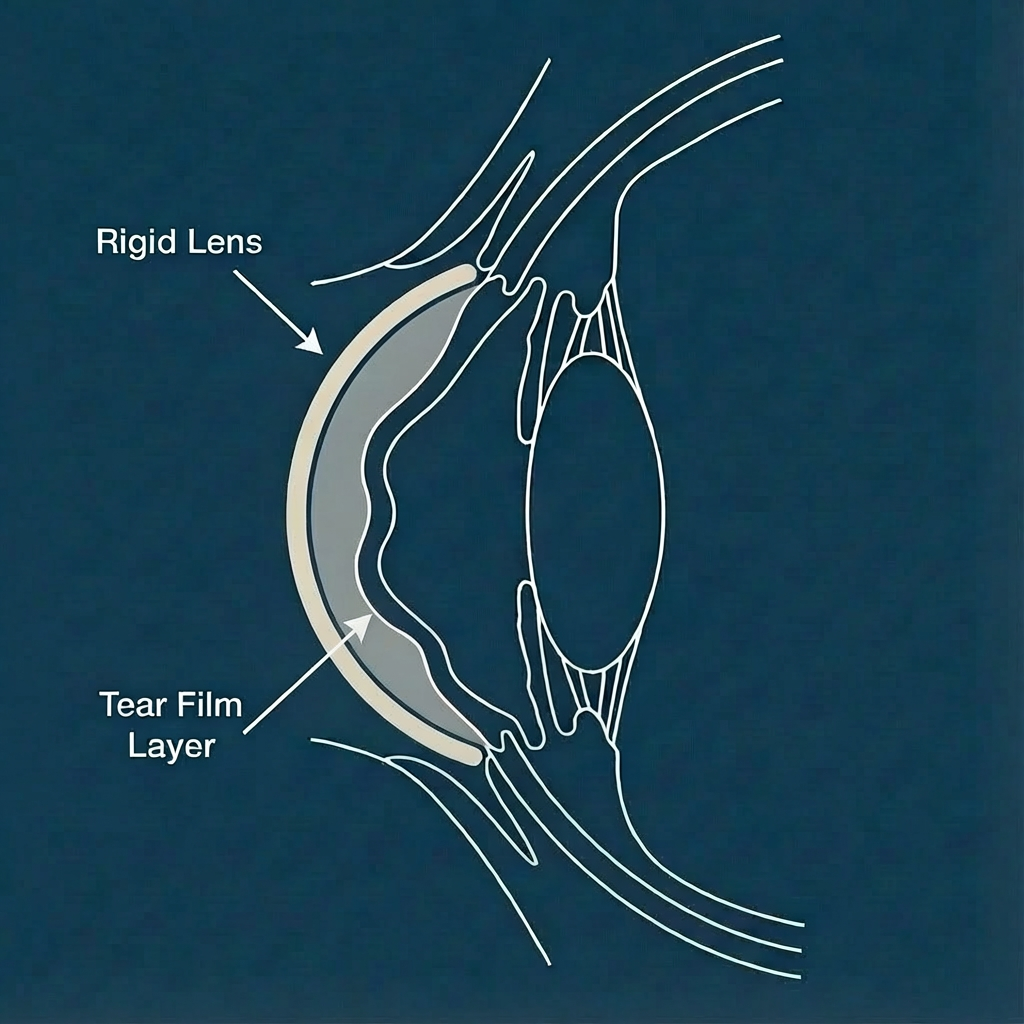
Rigid lenses work differently. They maintain their shape, creating a smooth, perfect optical surface in front of your eye. This masks irregularities and provides crisp, high-definition vision that glasses often cannot match.

Scleral Lenses
These large-diameter lenses vault over the entire cornea and rest gently on the sclera (the white of the eye). Because of their size, they are very stable and since it does not touch the sensitive corneal tissue, they are also surprisingly comfortable often from the very first wear.
Best For: Keratoconus, post-surgical corneas, and severe dry eye (the fluid reservoir keeps the eye hydrated all day).
RGP (Corneal) Lenses
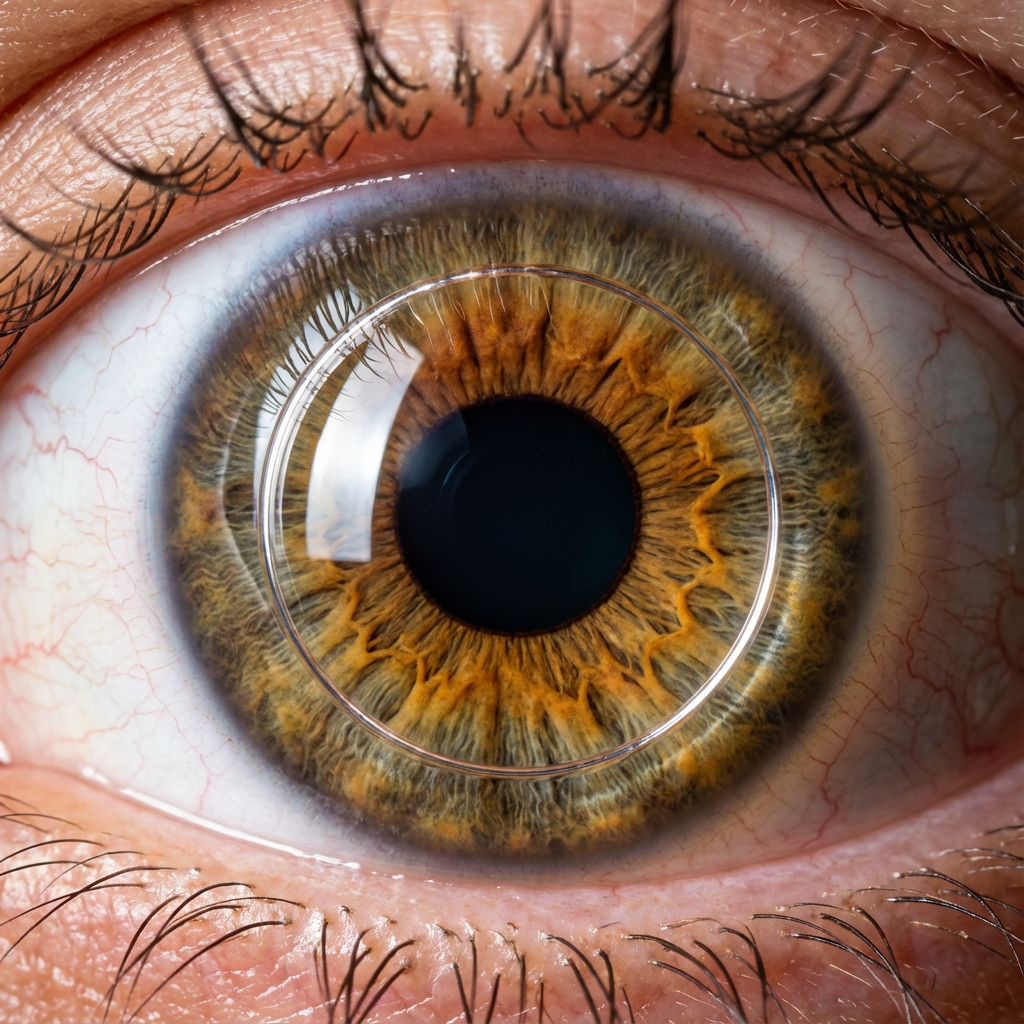
Smaller rigid lenses that float on the tear layer of the cornea. They allow excellent oxygen flow and provide sharp vision for high astigmatism. Because of the smaller size there can be an easier learning curve with insertion and removal, while remaining a healthy option for many eyes.
Best for: Mild-to-moderate keratoconus, high astigmatism, and patients seeking the sharpest possible vision in a smaller lens format.
Is this right for you?
You may be a candidate for advanced custom lenses if:
- You have Keratoconus or Pellucid Marginal Degeneration.
- You have had a corneal transplant or refractive surgery (like LASIK/RK).
- You have severe dry eye that makes soft lenses unbearable.
- You have high astigmatism that soft toric lenses cannot fully correct.
- You simply desire the sharpest vision possible.
Frequently Asked Questions
-
Most patients find them very comfortable because they rest on the less sensitive white part of the eye and vault over the cornea. Unlike small rigid lenses, they do not move around when you blink.
-
We strongly advise against swimming in contact lenses due to infection risks. If you must swim, watertight goggles are essential, but removing lenses is the safest option.
-
With proper care, a pair of RGP or Scleral lenses typically lasts 1–2 years. We review the lens condition at your annual check-up to ensure they remain scratch-free and healthy.
-
Scleral lenses require a specific technique using a small plunger tool. It takes a little practice, but we provide thorough training. Most patients become confident pros within a week.